In modern engineering environments, efficiency is no longer a luxury—it is a baseline requirement. From commercial facilities to industrial plants, engineers are under increasing pressure to reduce operational costs while meeting sustainability targets. One of the most effective ways to achieve this is through energy efficiency monitoring, which provides actionable insights into how systems perform in real time. By integrating monitoring technologies, engineers can identify inefficiencies, optimise system performance, and ensure compliance with evolving regulations.
What Is Energy Efficiency Monitoring?
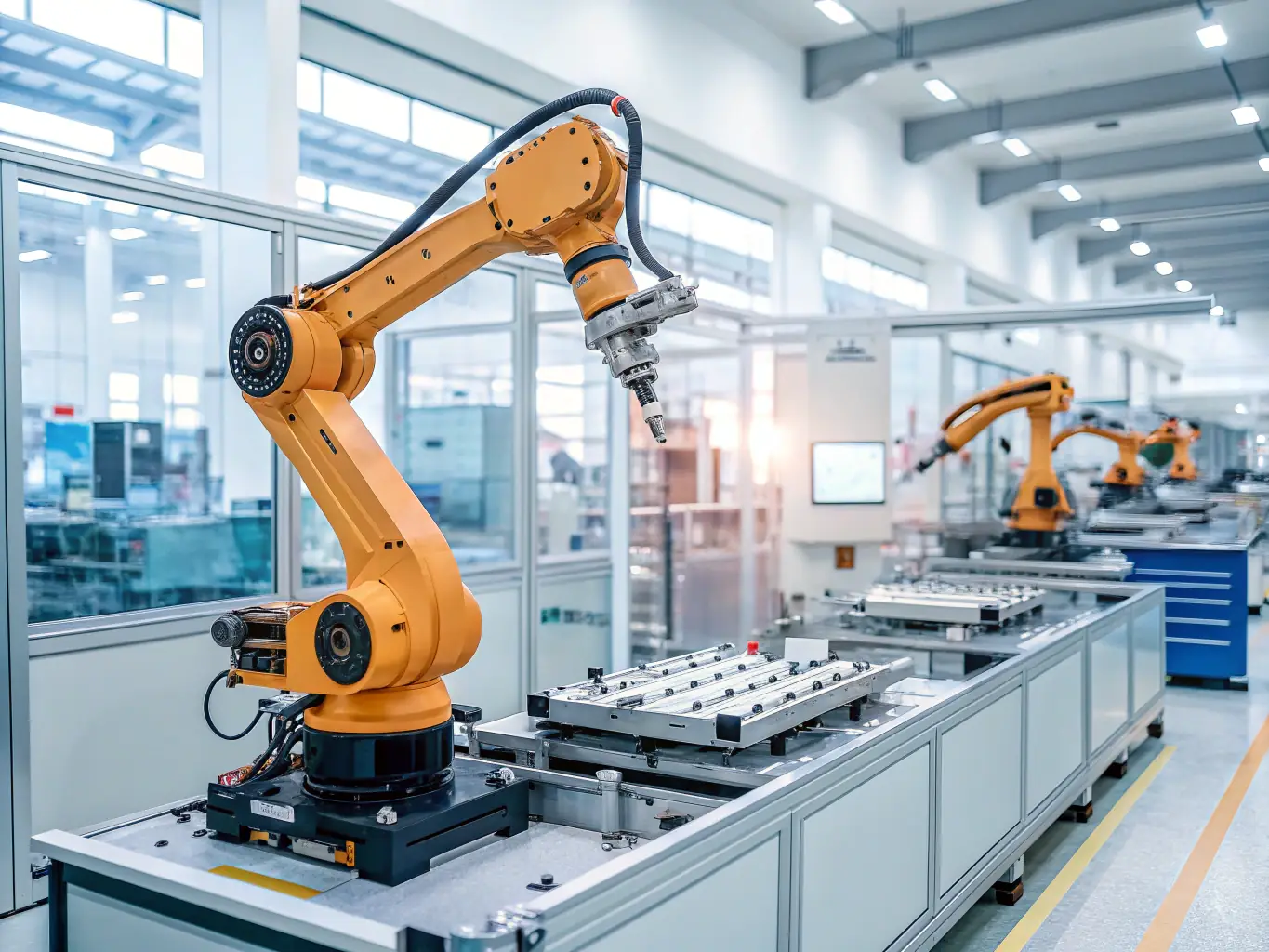
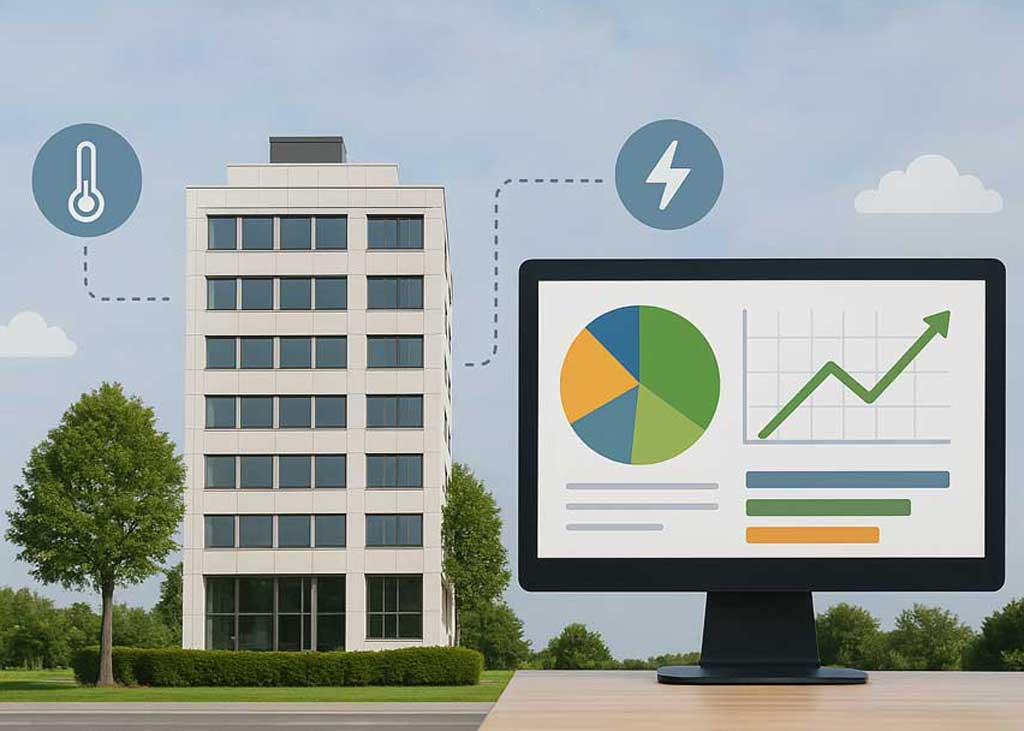
Energy efficiency monitoring refers to the continuous tracking and analysis of energy consumption across systems, equipment, or entire facilities. Using sensors, smart meters, and data analytics platforms, engineers can collect precise data on how energy is used and where losses occur. This process transforms raw data into meaningful performance indicators, enabling informed engineering decisions rather than reactive fixes. In complex systems such as HVAC networks or manufacturing lines, energy efficiency monitoring can reveal patterns that would otherwise remain undetected, such as peak load inefficiencies or standby power waste.
Engineering Benefits of Real-Time Data Insights
One of the key advantages of energy efficiency monitoring lies in its ability to deliver real-time data. Engineers can access dashboards that visualise system performance, making it easier to identify anomalies or inefficiencies as they happen. This proactive approach reduces downtime and minimises the risk of system failure. For example, a sudden spike in energy usage within a heating system may indicate a fault in insulation or a malfunctioning component. By detecting this early, engineers can intervene before the issue escalates into a costly repair or energy drain.
Enhancing System Design and Lifecycle Performance
Beyond day-to-day operations, energy efficiency monitoring plays a crucial role in improving system design and lifecycle management. Engineers can use historical data to evaluate how systems perform under different conditions, informing future design improvements. This is particularly valuable in sectors such as building services engineering, where energy modelling and system optimisation are essential. Over time, the data collected supports predictive maintenance strategies, extending equipment lifespan and reducing capital expenditure.
Integration With Smart Building Technologies
As smart building technologies become more widespread, energy efficiency monitoring is increasingly integrated into broader building management systems (BMS). This allows for automated control of lighting, heating, ventilation, and other systems based on real-time occupancy and usage patterns. Engineers can create adaptive environments where energy consumption is dynamically adjusted to meet demand, rather than relying on static schedules. This level of automation not only improves efficiency but also enhances occupant comfort and system reliability.
Meeting Regulatory And Sustainability Targets
Regulatory frameworks in the UK and beyond are placing greater emphasis on energy performance and carbon reduction. Energy efficiency monitoring provides the data required to demonstrate compliance with standards such as ESOS (Energy Savings Opportunity Scheme) and other environmental regulations. Engineers can generate detailed reports that quantify energy savings and identify areas for further improvement. This data-driven approach supports sustainability initiatives while also strengthening organisational accountability.
Practical Implementation Considerations
Implementing energy efficiency monitoring requires careful planning and system integration. Engineers must consider factors such as sensor placement, data accuracy, and compatibility with existing infrastructure. Selecting the right monitoring platform is equally important, as it should offer scalability, user-friendly interfaces, and robust analytics capabilities. While initial setup may involve investment, the long-term savings and performance gains typically outweigh the costs.
Featured image credit: AI generated.